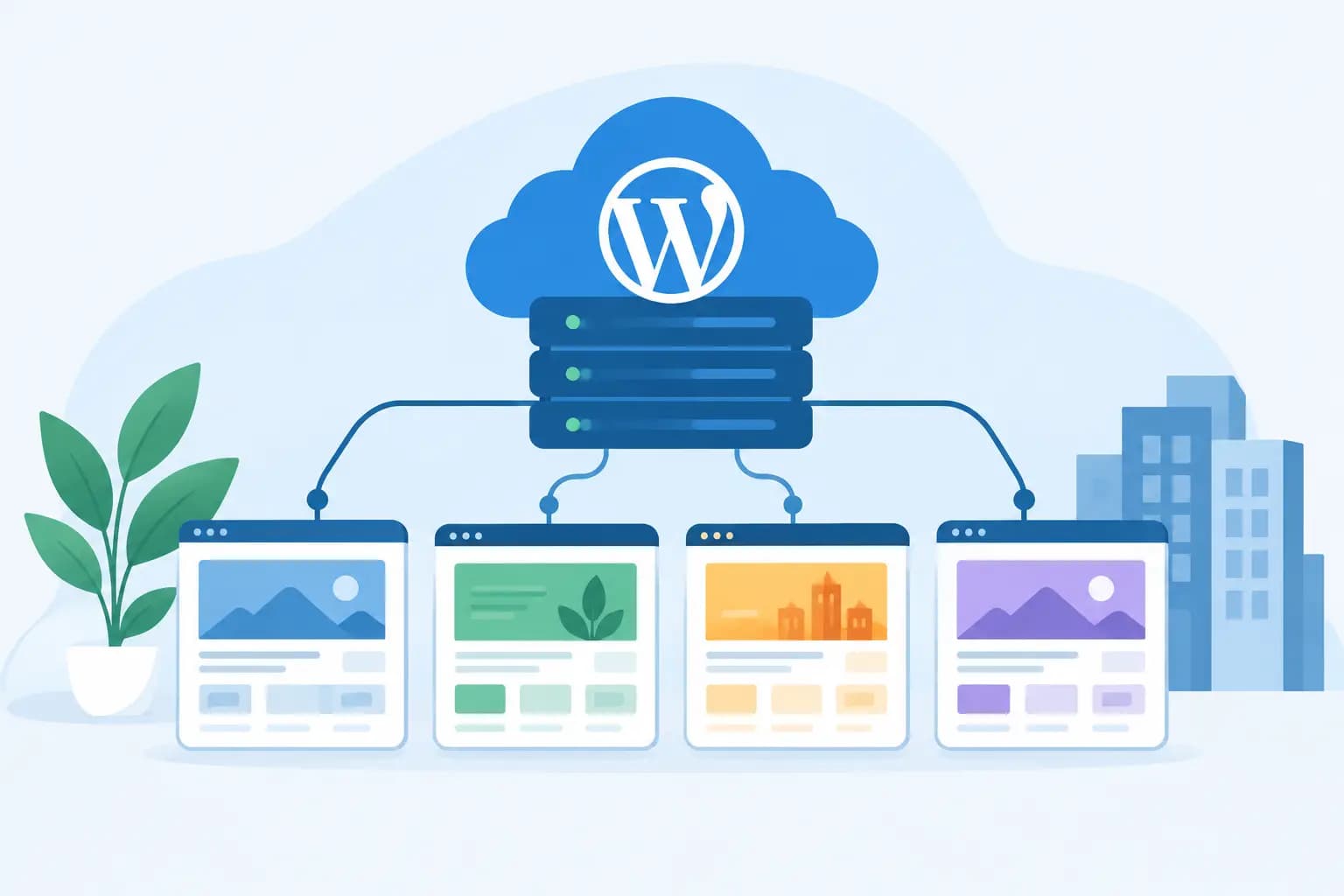


A $3 monthly hosting offer can be a smart way to launch a new site. It can also become a costly surprise if the plan renews at a higher rate, lacks the resources your website needs, or requires paid add-ons for essentials. When business owners ask, “how much does hosting cost?” the useful answer is not one number. It is the cost of the right hosting setup for where your business is now and where it is headed.
For many small businesses, a dependable website can start at just a few dollars per month. The total can rise to $20, $50, or more as traffic, storage, online selling, email needs, and performance requirements grow. Understanding what drives that price helps you avoid paying for more than you need – or choosing a bargain plan that holds your business back.
How Much Does Hosting Cost Each Month?
Shared web hosting is usually the most affordable option for a new website. Promotional introductory rates often fall between $2 and $10 per month when you pay for a longer term upfront. This type of plan is a practical fit for a portfolio, local service business, blog, nonprofit, or early-stage company with modest traffic.
For a business website that needs stronger performance, more room to grow, or tools built for WordPress, expect a typical range of $10 to $35 per month. Managed WordPress plans may cost more because they can include WordPress-focused support, automatic updates, staging tools, backups, and performance features.
E-commerce stores, busy content sites, and businesses with specialized applications often need a virtual private server, cloud hosting, or dedicated resources. These solutions commonly begin around $20 to $80 per month and can go much higher based on CPU power, RAM, storage, traffic, and management level.
The lowest advertised monthly price is only part of the picture. Look at the billing term, the regular renewal price, and what is included before deciding that one plan is less expensive than another.
What You Are Actually Paying For
Hosting is the service that keeps your website files, database, and email-connected services available online. Good hosting is not simply disk space on a server. It is the infrastructure and support that help your website load reliably, stay protected, and remain manageable when you need to make changes.
A quality plan may include NVMe storage, a control panel such as cPanel, SSL certificates, email mailboxes, daily or frequent backups, malware scanning, caching, and support. Plans with LiteSpeed Enterprise, Redis caching, extra vCPU cores, or dedicated resources can cost more because they are designed to handle more demanding workloads.
That does not mean every new business needs enterprise-level resources. A one-page site for a photographer and a growing online store have very different needs. The goal is to pay for features that solve a real business requirement, not technical language that sounds impressive.
The Hosting Options and Their Typical Costs
Shared hosting: about $2 to $15 per month
Shared hosting places multiple websites on the same server environment. It is cost-effective because resources are shared, and it is often easy to manage through a familiar dashboard. For a brochure website, a professional services firm, a personal brand, or a new blog, it can be an excellent starting point.
The trade-off is that resource limits are typically lower. If your site begins receiving heavy traffic, runs a large WooCommerce store, or uses resource-intensive plugins, you may outgrow the plan. That is a good problem to have, but it should be part of your planning.
WordPress hosting: about $5 to $35 per month
WordPress hosting is designed around the needs of WordPress websites. Depending on the provider and plan, it may offer optimized server settings, automatic updates, caching, staging environments, and WordPress-specific assistance.
Basic WordPress hosting can be priced similarly to shared hosting. More managed options cost more, but they may save time for a business owner who would rather focus on customers than maintenance. If your website is central to lead generation, publishing, bookings, or sales, that time savings can be worthwhile.
VPS and cloud hosting: about $20 to $100+ per month
A VPS gives your website a defined portion of server resources. Cloud configurations can add flexibility by allowing resources to scale more easily as demand changes. These options suit established stores, high-traffic sites, developers, and businesses running custom software.
They also require more technical attention unless the plan is managed. Compare included support carefully. An unmanaged server can have an attractive price, but you may be responsible for security updates, software configuration, and troubleshooting.
Dedicated hosting: $100+ per month
Dedicated hosting provides an entire physical server for one customer. It is generally reserved for high-volume websites, complex applications, or organizations with specific performance and compliance needs. Most small businesses do not need this level of infrastructure when launching.
Costs That May Not Be Included in the Hosting Price
Your hosting plan is one line item in your online business budget. Domains, business email, website design, premium themes or plugins, and professional maintenance may be separate costs.
A domain name commonly renews annually. Business email may be included with a hosting account, limited by mailbox quantity or storage, or offered as a separate service. If email is essential to your operation, confirm whether you need addresses for one person or an entire team.
Backups deserve special attention. Some hosts include backups on all plans, while others charge for backup storage or restoration. A reliable backup policy gives you a path to recovery after an accidental deletion, failed update, or site issue. Check how often backups run, how long they are retained, and whether restoring a backup is included.
Website migration can also affect your startup cost. Moving an existing site, email accounts, and databases takes care. Some providers include migration assistance, while others price it separately. If you are changing hosts, ask what is moved and what steps you will need to complete yourself.
Introductory Pricing vs. Renewal Pricing
Introductory discounts are common in hosting. They can make launching affordable, especially when you commit to a one-, two-, or three-year term. The important detail is that the discounted rate may apply only to your first term.
Before checking out, review the total due today, the term length, and the renewal rate. A $4 monthly promotional price paid for 36 months is different from paying $4 month to month, and neither tells you what your next invoice will be. Clear pricing helps you budget with confidence.
Longer terms often offer the best monthly rate, but they are not automatically right for everyone. A freelancer testing a new business idea may prefer flexibility. A stable company with an established website may value the savings and predictability of a longer commitment.
How to Choose a Plan Without Overspending
Start with your website’s job. If it is primarily a digital business card with service information and a contact form, a reliable shared plan may be enough. If it accepts payments, hosts a large catalog, processes memberships, or supports a growing audience, prioritize resources, backups, and performance tools.
Next, think about the next 12 to 24 months. You do not need to buy for massive traffic that may never arrive, but you should choose a provider with clear upgrade paths. Moving from a starter plan to a stronger plan should not require rebuilding your website from scratch.
Finally, evaluate support and account management. When a form stops sending, an email account needs to be configured, or a plugin update causes trouble, responsive support matters. The best hosting value is not just a low price. It is dependable service that helps keep your business moving.
For small businesses that want fast, secure, and affordable hosting without unnecessary complexity, GiddyHost can help match the plan to your website, email, and growth needs. Begin with what your business needs today, leave room for tomorrow, and make sure every dollar you spend supports a website you can rely on.